
Wellbeing in interiors: what’s inside our homes, and why it matters
We carefully consider the food we eat and the skincare we use yet rarely stop to question what sits inside the sofas, paints, adhesives and materials we surround ourselves with every day.
Given that people spend around 90% of their time indoors, growing attention is now being paid to the impact our homes may have on both physical and mental wellbeing.
Wellbeing has always been an important consideration in interiors, but it’s no longer just about how a space looks or feels. Increasingly, it is about what sits beneath the surface: the chemicals used in materials, the quality of the air we breathe, the way spaces support our physical and mental health, and whether the products we bring into our homes are designed to last.
As awareness grows around the links between environmental sustainability and human health, there is also growing excitement around the opportunity to create homes that actively support wellbeing. From natural and breathable materials to thoughtful lighting, timeless craftsmanship and products designed to last, many brands and designers are beginning to rethink what healthier interiors could look and feel like. Increasingly, decisions made during the design process are recognised as having a direct influence on both environmental and human wellbeing.
In this blog, we explore some of the key material-related health and wellbeing risks shaping the interiors industry, alongside practical considerations for more thoughtful specification and design.
Material risks
The materials used throughout our homes play an important role in shaping comfort, atmosphere and wellbeing. But alongside beautiful design and functionality, growing attention is also being paid to what sits beneath the surface, from hidden chemicals and indoor air quality to how products perform across their full lifecycle. From flame retardants in sofas to Volatile Organic Compounds (VOCs) in paints, designers, brands and consumers are increasingly asking more questions about the materials they bring into their homes and the impact they may have over time.
Flame retardants in sofas
British sofas have recently come under scrutiny for being the most toxic sofas in the world. This is due to the use of chemical flame retardants in upholstered furniture - chemicals added to foam and, in some cases, fabrics to slow the spread of fire and comply with the UK and Ireland’s stringent fire safety regulations.
While introduced to protect, these chemicals have been found to be toxic to humans and can migrate into house dust and eventually into our bodies. Hundreds of scientific studies now link flame retardant exposure to a range of health issues and the World Health Organisation recently classed TCPP, the UK’s most common flame retardant, as “probably carcinogenic to humans.”
The UK remains one of the few countries still requiring the use of these chemicals in upholstery. Much of Europe does not mandate them, and the US moved away from their use in 2013. The argument is that while flame retardants may provide additional escape time during a fire, the wider health and environmental trade-offs are becoming increasingly difficult to ignore. Additionally, concerns have also been raised around the lethal gases produced when chemically treated materials burn.
Alongside the risks associated with exposure, flame retardants also create major end-of-life challenges. Many chemical flame retardants are now classified as Persistent Organic Pollutants (POPs) due to their persistence in the environment and potential risks to human health. Since 2023, upholstered domestic seating in the UK has had to be separated from general waste streams and treated as hazardous waste, making circular approaches such as disassembly and recycling extremely difficult. In many cases, incineration remains the only viable disposal route.
Encouragingly, change is beginning to emerge. Growing industry awareness and regulatory pressure have led to renewed discussions around reforming UK furniture fire safety regulations, including proposals to align testing more closely with Europe and the US. A ban on flame retardants in some children’s products has also recently been announced.
At the forefront of this shift is upholsterer and campaigner Delyth Fetherston-Dilke, who has become one of the leading voices calling for reform of the UK’s furniture fire safety regulations. Working alongside scientists, industry bodies and policymakers, she has helped raise awareness around the health and environmental impacts of chemical flame retardants and has been actively involved in ongoing discussions and consultations with government around proposed regulatory changes. Her work has played an important role in encouraging greater scrutiny of the UK’s long-standing approach to furniture fire safety and supporting a wider industry conversation around safer and more sustainable alternatives.
There is also an important opportunity now for the interiors industry to help shape the future of furniture safety regulation. The UK Government is currently consulting on proposed changes to the Furniture and Furnishings (Fire) (Safety) Regulations, including reforms that could reduce reliance on chemical flame retardants while maintaining high standards of fire safety. The consultation closes on 23 June, and industry voices are being actively encouraged to participate.
“We have a chance to let our voice be heard. 23rd June is a deadline on the government consultation on furniture. Spending five mins giving four yes answers will really make a difference.”
Delyth Featherstone-Dilke
Innovative alternatives are also beginning to emerge within the industry. Rohan Blacker, who previously founded sofa.com and Pooky, is on a mission to reinvent the sofa through his new company Schplendid. Designed to prioritise both human and environmental wellbeing, Schplendid sofas are made using natural and sustainably sourced materials. Rather than relying heavily on petrochemical-based foams, the company uses plant-based biofoam sparingly and instead draws on traditional spring techniques to create comfort and durability.
Paints, Finishes and Adhesives
Paints, finishes and adhesives are another major and often overlooked source of chemical exposure within the home. Used throughout interior spaces, many of these materials emit Volatile Organic Compounds (VOCs) into the air through a process known as off-gassing, which can continue for weeks, months or even years after application. These emissions contribute to poor indoor air quality and have been linked to a range of short and longer-term health concerns, particularly within poorly ventilated spaces.
Given that people spend around 90% of their time indoors, and indoor air can often be more polluted than outdoor air, growing attention is being placed on reducing VOC exposure and moving towards lower-impact material choices where possible.
One example is Edward Bulmer Natural Paint. Driven by the belief that paint “need not be polluting or unsustainable,” Edward Bulmer set out to create a natural paint solution that reduces reliance on petrochemicals and plastics while minimising harmful chemicals and VOCs. His paints also seek to address another growing issue: waste. With more than two million litres of paint sent to landfill in the UK each year, natural paint alternatives may offer a lower-impact and, in some cases, compostable solution.
“Can you have a healthy family if you don’t have a healthy home? The short answer is, no. Our food, our clothes, our rooms, are the first means of defence in fighting off germs and sickness and keeping us well.
We know that indoor air full of pollutants from synthetic materials can make us sick, but so to can your building. It needs to be properly dressed too! This means decorative layers that work with the building ensuring it does not become damp and covered in mould. It literally needs to breathe and that’s why the right paint is so important.”
Edward Bulmer, Co-Founder Edward Bulmer Natural Paint
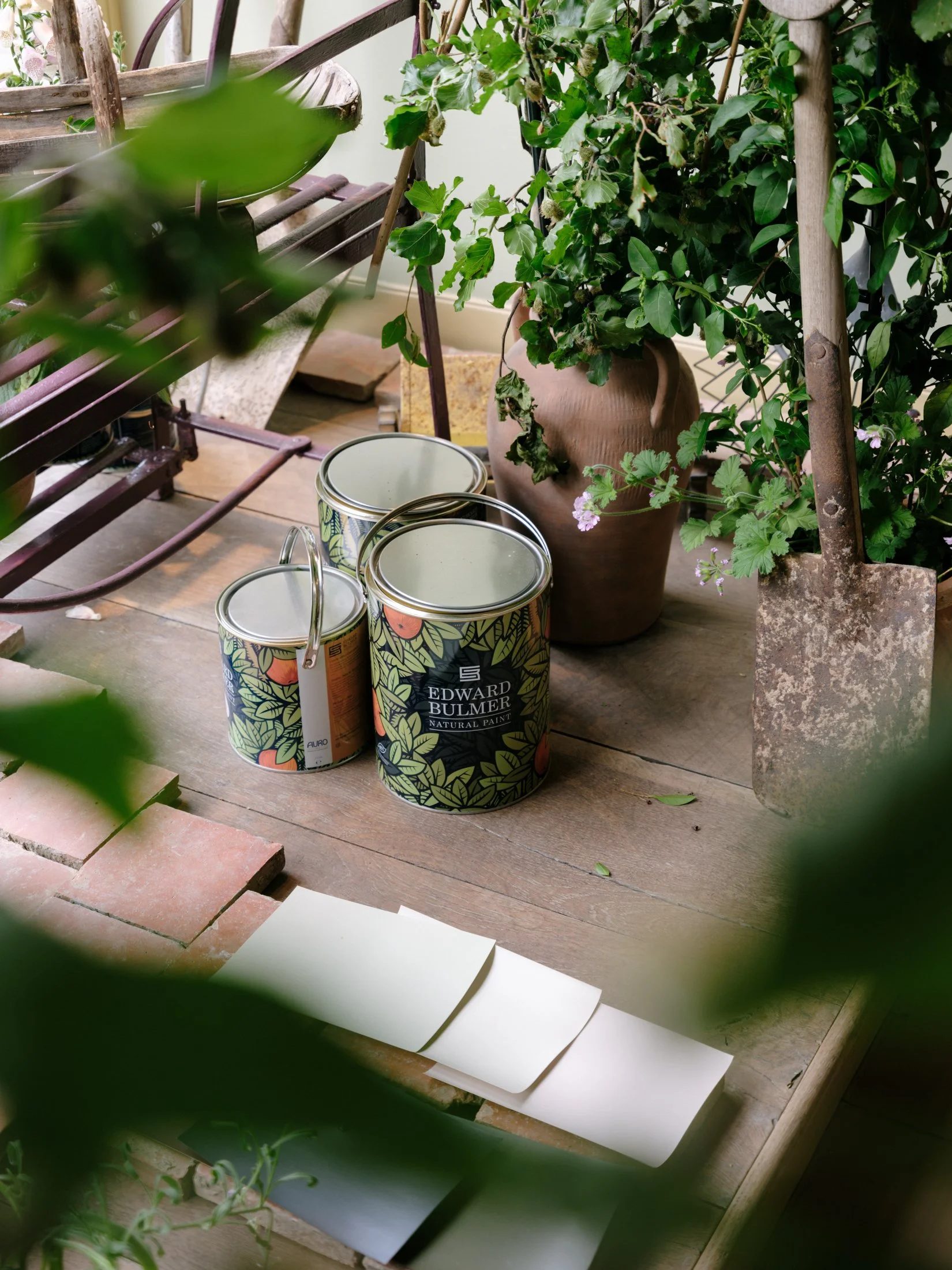
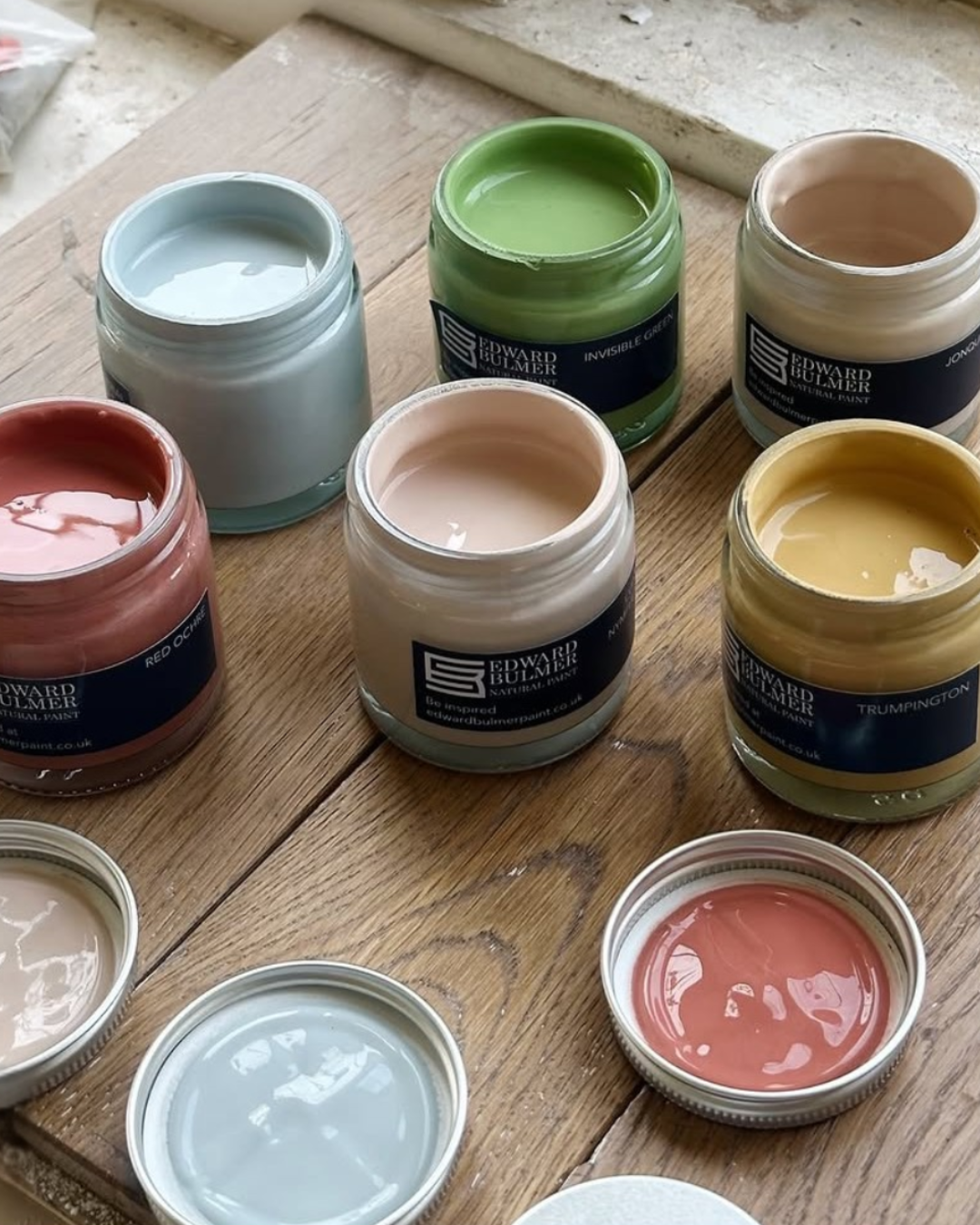
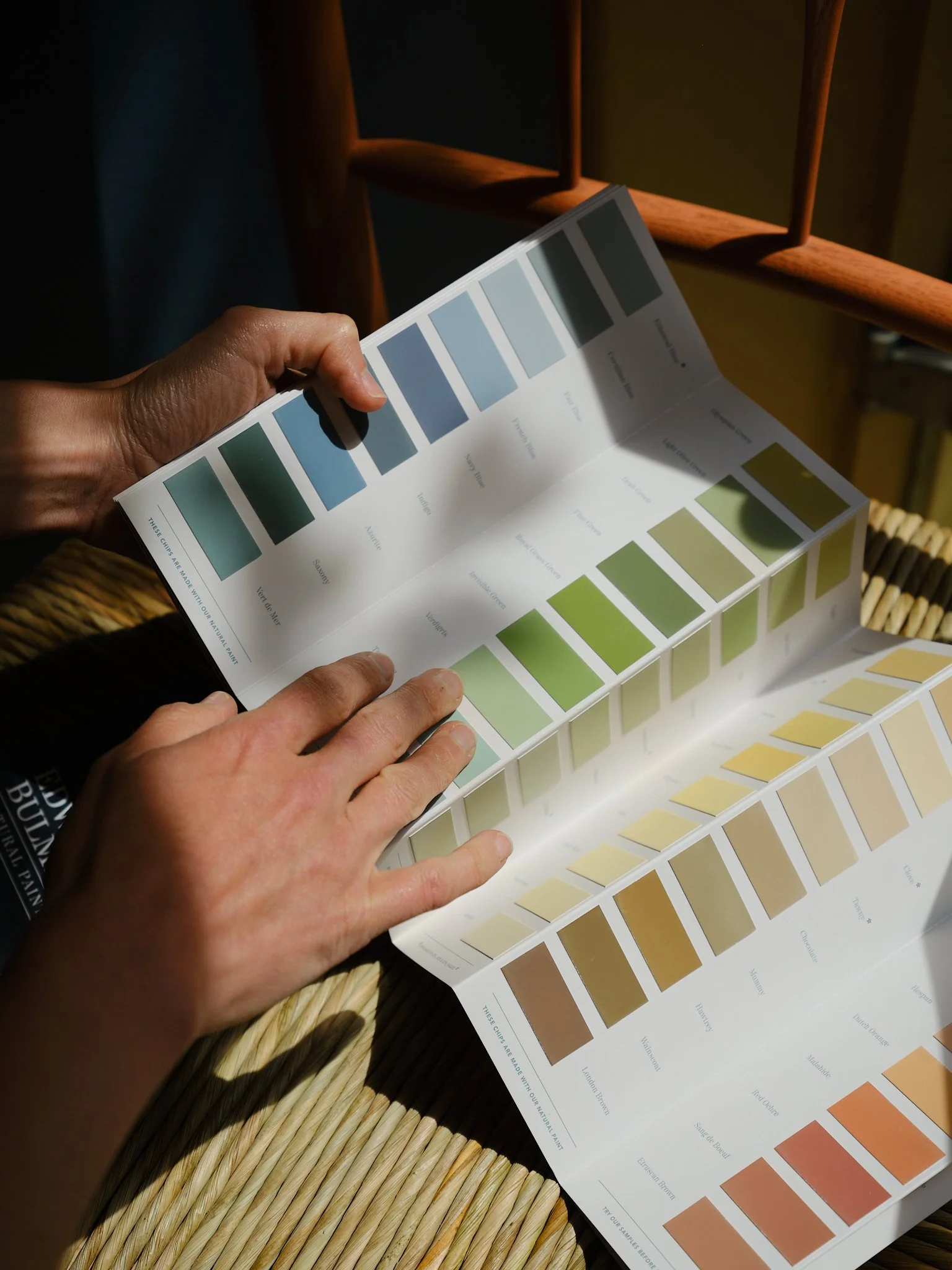
Image credits: Images courtesy of Edward Bulmer Natural Paint
Breathability, Materials and Mould
Another growing issue of concern is the breathability of homes. According to a UK government report, approximately 27% of homes (around 6.5 million properties) are affected by damp and mould issues, with the problem only expected to rise.
As homes become increasingly airtight in the pursuit of energy efficiency, growing attention is being paid to how materials affect not only the performance of buildings, but also the health of the people living within them. Highly sealed synthetic finishes can restrict a building’s ability to regulate moisture naturally, while more breathable materials such as lime plaster, clay paints and natural fibres may help support healthier indoor environments by allowing water vapour to move through surfaces more effectively. For designers and specifiers, this raises important questions about how interiors perform over time, not just aesthetically, but in terms of long-term building health, durability and occupant wellbeing.
Helping to make this often hidden issue more visible, Untold Mould works to raise awareness around the impact damp and mould can have on both homes and human health. Through education, guidance and their at-home testing kit, it aims to help people better understand the environmental conditions within their spaces from excess moisture and condensation to the wider factors contributing to poor indoor air quality.
Sleep, Materials and Recovery
Sleep is increasingly being recognised as one of the most important foundations of wellbeing, yet the role our interiors play in supporting rest and recovery is often overlooked. From temperature regulation and breathability to the materials used within mattresses and bedding, the environments we sleep in can have a significant influence on comfort and sleep quality.
As awareness grows around indoor air quality and chemical exposure, some brands are beginning to rethink how sleep products are designed, moving towards more natural, breathable and lower-impact materials. This includes reducing the use of synthetic foams, petrochemical-based materials and unnecessary chemical treatments in favour of more natural alternatives.
One example is Naturalmat, the British mattress and bedding company founded by Mark Tremlett, which has long championed the use of natural and renewable materials including organic wool, coconut fibre, natural latex and recycled denim. Built around craftsmanship and longevity, the company takes the view that healthier sleep environments should work in harmony with both people and planet. Using more natural and less chemically intensive materials can also help support circularity and reduce environmental impact at end of life, allowing products to be more easily repaired, recycled or biodegraded compared to heavily treated synthetic alternatives.
“Since day one in 1999, we have pioneered the use of natural fibres in our beds, mattresses and bedding, and were the first company to pass all British fire regulations without using any chemical fire retardants, synthetics or glues. We manage this thanks to organic wool, which is a natural fire retardant, and we buy all our wool directly from local farmers here in the Southwest. We believe that to enhance your health, you should sleep in the most natural environment possible, which is why we only use entirely natural and organic ingredients in all of our beds, mattresses and bedding. That same thinking led us to launch our Bed for Life Initiative™ – the UK’s first and only bed and mattress refurbishment service, which ensures Naturalmat beds will never end up in landfill.”
Mark Tremlett, Co-Founder Naturalmat
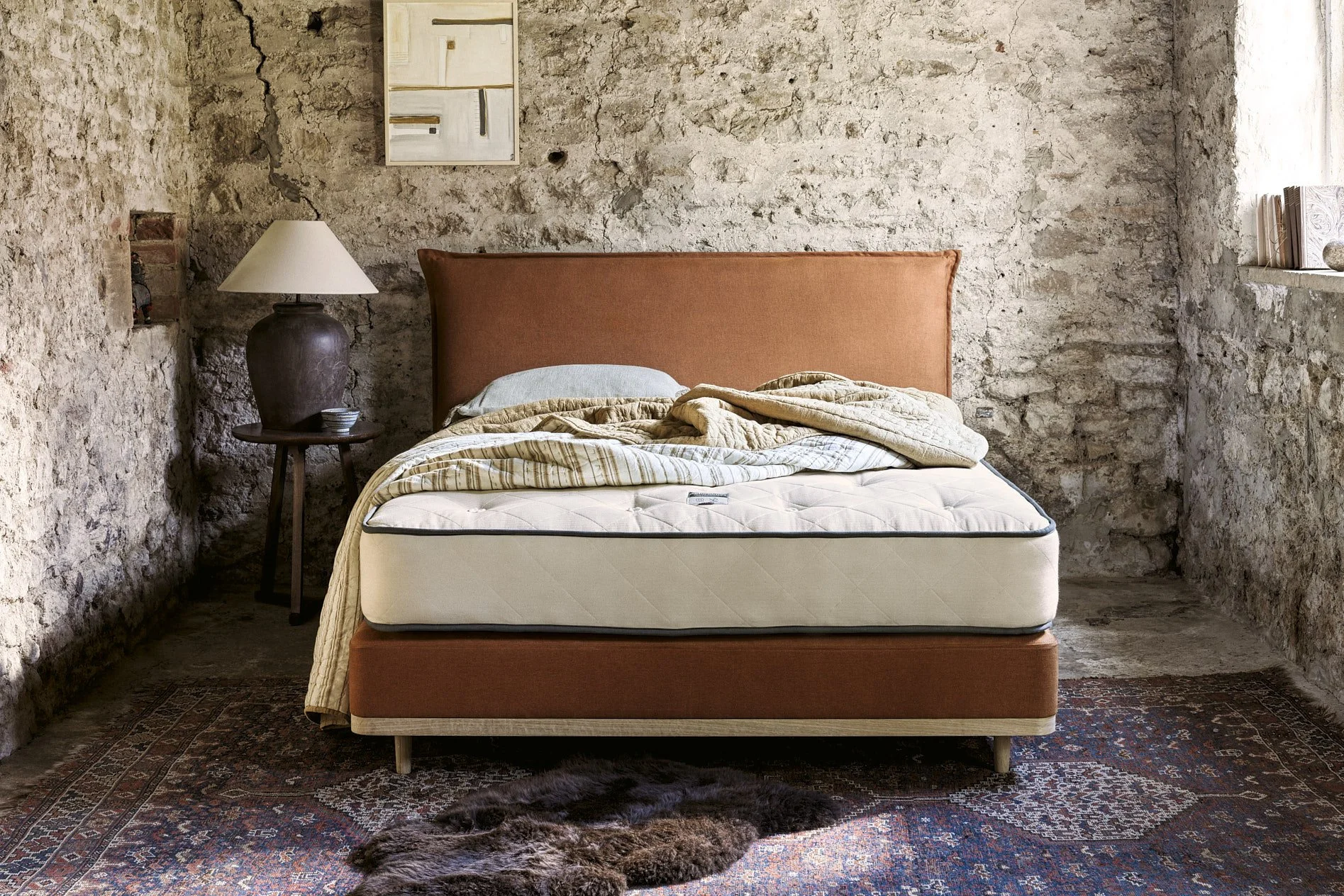
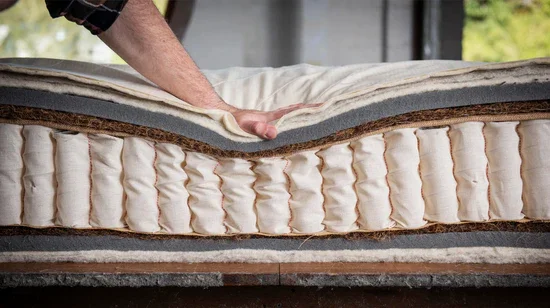
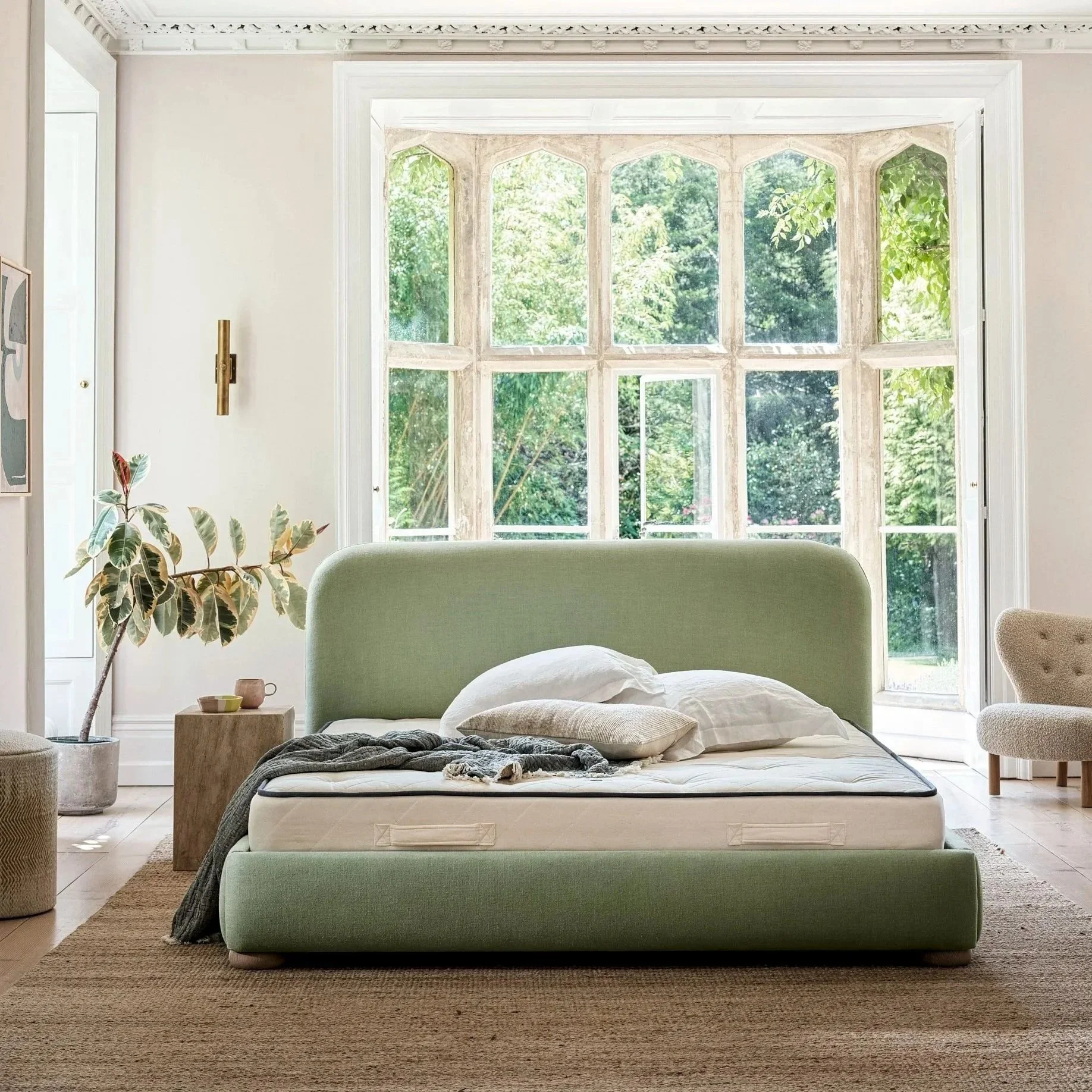
Image credits: Images courtesy of Naturalmat
Lighting and Wellbeing
Increasingly, lighting is being viewed not simply as a functional design feature, but as part of the wider environmental conditions that shape how we feel within a space. While natural light has long been associated with good health, productivity and sleep quality, growing attention is now being paid to how artificial lighting affects mood and overall wellbeing.
The temperature, intensity and timing of light can all influence the body’s circadian rhythm, which helps regulate sleep-wake cycles and energy levels throughout the day. Cooler, brighter light may support alertness and concentration, while warmer, lower-intensity lighting can help create calmer environments in the evening. As people spend more time indoors, thoughtful lighting design is becoming an increasingly important consideration in creating healthier, more supportive spaces.
As understanding grows around the impact of light on health and wellbeing, the partnership between Lutron and Orluna is helping to advance a more human-centred approach to lighting. Combining intelligent control and tunable lighting technology with a focus on low glare, light quality and exceptional colour rendering, their solutions can help create environments that feel more comfortable, supportive and aligned with natural daily rhythms.
“For me, the true measure of successful lighting design is not simply how beautiful a space looks, but the emotional response it evokes. When lighting is thoughtfully designed, it creates spaces people are drawn to, feeling effortless, uplifting and quietly restorative.”
Zara Vaux, Lighting Consultation & Design
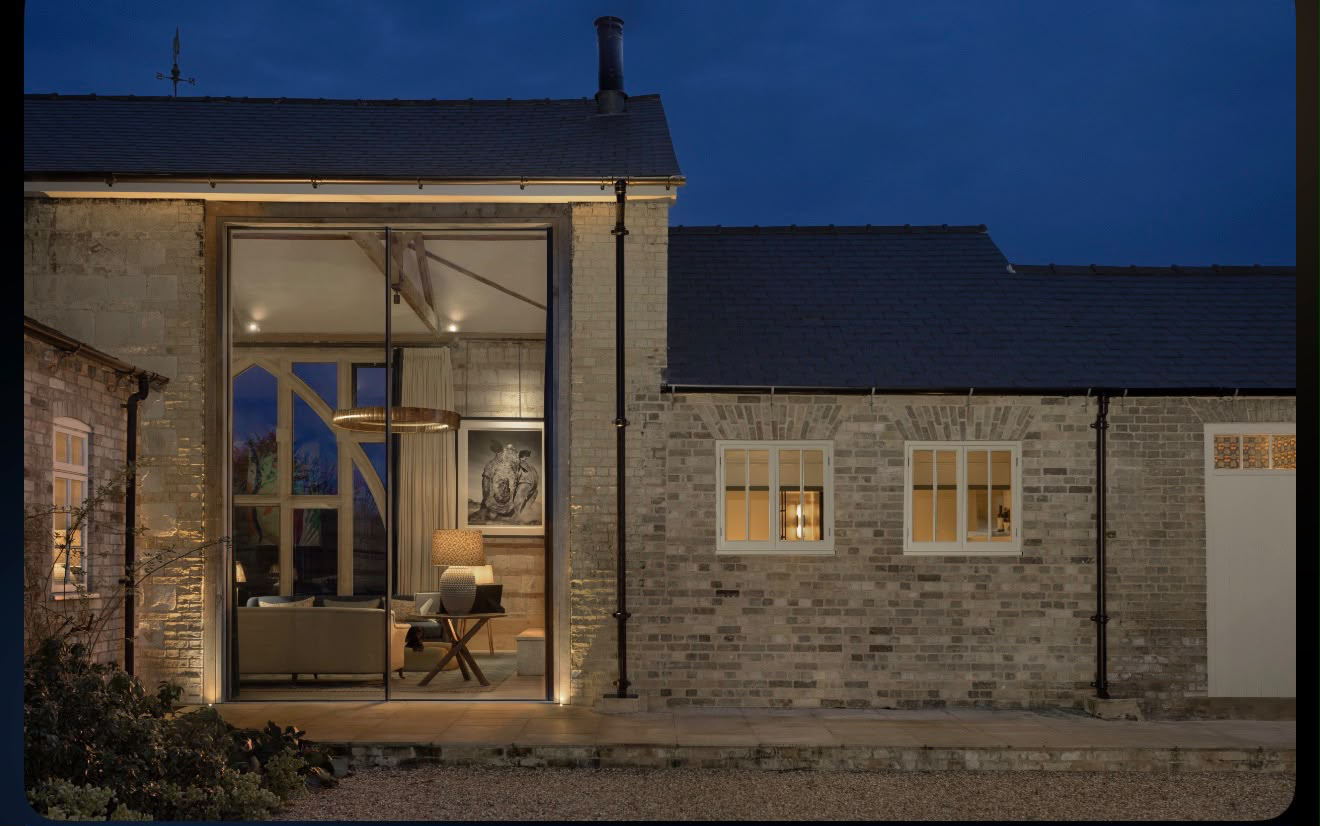
Image credit: Gerardo Jaconelli for Zara Vaux
Designing interiors to support wellbeing
Supporting wellbeing in interiors is not simply about avoiding harmful materials, but about taking a more thoughtful and long-term approach to design as a whole. From the materials specified and the way spaces are used, to the lifespan of products and the quality of craftsmanship, design decisions can shape how people feel within a space for years to come.
This is prompting a shift away from fast-moving interior trends and towards interiors designed for durability, comfort and longevity. Reusing existing materials and furniture, choosing products with greater transparency, and prioritising timeless, adaptable design can all help create spaces that better support both human wellbeing and environmental sustainability over time.
Encouragingly, many brands, designers and manufacturers are already beginning to rethink interiors through the lens of wellbeing, longevity and transparency. From natural materials and lower-impact finishes to repair, reuse and thoughtful craftsmanship, there is growing recognition that better design can support both healthier homes and a healthier environment at the same time.
Practical considerations for embracing health and wellbeing in design
As conversations around wellbeing in interiors continue to evolve, there is growing recognition that healthier spaces are shaped not only by how they look, but by how they support the people living within them. The materials used within a space can influence everything from indoor air quality and comfort to sleep, concentration and long-term health outcomes. At the same time, how products are manufactured, maintained and disposed of also carries wider environmental implications.
For designers, specifiers and brands, this means asking more critical questions throughout the design process:
What chemicals are used in this product or material?
What happens to this product at end of life? Can it be recycled or safely disposed of?
Are safer or lower-impact alternatives available?
How durable is this product, and how long is it designed to last?
Has the supplier been transparent about the materials used?
Can this product be repaired, reused or refurbished rather than replaced?
Is this a short-term trend product or something designed to last?
Ultimately, designing for wellbeing requires us to look beyond aesthetics and consider how our homes perform over time. As awareness grows around the links between environmental sustainability and human health, there is a growing opportunity for the interiors industry to create spaces that not only look beautiful, but actively support healthier lives. By prioritising transparency, thoughtful material choices and long-lasting design, we can help create homes that are better for people, and better for the planet.
If you'd like to learn more about creating healthier, more sustainable interiors, or explore how B·ABLE can support your sustainability journey, we'd love to hear from you. Or if you're an interiors brand, designer or manufacturer, you may also be interested in joining The Green Room, our sustainability forum and community for the interiors industry, which now brings together more than 80 members to share insights, best practice and practical solutions. To find out more, contact us at hello@bable.world.