
Sustainability Communications: A Major Opportunity for SMEs
Sustainability has moved from a niche concern to a mainstream consumer expectation. Increasingly, people want to understand not just what brands sell, but how they operate, where products come from and what businesses stand for.
While much of the spotlight is placed on large corporates, SMEs collectively hold significant influence in shaping more responsible business practices. Many smaller businesses are already taking meaningful steps to improve their environmental and social impact, yet these efforts often go under-communicated. For SMEs, this presents a clear opportunity. When communicated effectively, sustainability can become a powerful tool to build trust, differentiate in crowded markets and create deeper, more meaningful connections with customers.
The Growing Demand for Responsible Brands
Research shows that consumer demand for responsible products and brands is rising, with environmental and social impact increasingly influencing purchasing decisions, particularly among younger consumers.
A 2025 customer survey by Selfridges found that nearly two in three customers felt more concerned about sustainability in fashion than they did a year earlier, with more than half of those surveyed saying they looked to the retailer to help them in making more sustainable purchasing decisions.
Similarly, research by the British Beauty Council and UNiDAYS found that 43% of Gen Z students consider sustainability “extremely” or “very” important when purchasing beauty products, while a further 41% see it as “somewhat” important.
These expectations are increasingly translating into real behaviour, with 77% of people globally saying that in five years they only want to spend money with brands that practise green and sustainable business.
Taken together, these trends reflect the rise of more conscious consumption, with consumers increasingly evaluating brands on values and accountability alongside price and quality. For businesses, this means sustainability cannot remain hidden in internal strategies or annual reports. Communicating how products are made, where materials come from and what steps are being taken to improve impact is becoming an essential part of brand credibility.
Why SMEs Have an Advantage
When it comes to embedding authentic and engaging sustainability communications into brand identity, SMEs often have an advantage. For large businesses, organisational complexity such as expansive global supply chains and siloed departments can make it harder to present a clear and coherent narrative. Compliance pressures can also mean sustainability communications become focused on formal disclosures and technical reporting.
SMEs, by contrast, can often communicate sustainability more naturally. Shorter supply chains and closer relationships with suppliers and partners usually make operations easier to explain. Sustainability is also often rooted in the values of founders and small leadership teams, which can make it feel more integrated into the overall brand story and day-to-day operations. Agility is another advantage, with fewer internal layers meaning SMEs can often implement new initiatives quickly and communicate them directly to customers.
Origin stories, craft, material choices, local production and social impact partnerships can all become part of a brand narrative that connects sustainability with identity and purpose.
An example of this storytelling approach can be seen in how OKA celebrates the 25th anniversary of their iconic Sheki pattern. By sharing the design’s origin story and highlighting the craft behind the pattern, including the hand screen-printing and embroidery techniques used to produce it, the brand gives customers a clearer understanding of the people, skills and traditions involved in creating the product. In doing so, it subtly reinforces OKA’s craft-led ethos and communicates values associated with responsible production, such as longevity, craftsmanship and respect for artisanal skills and communities.
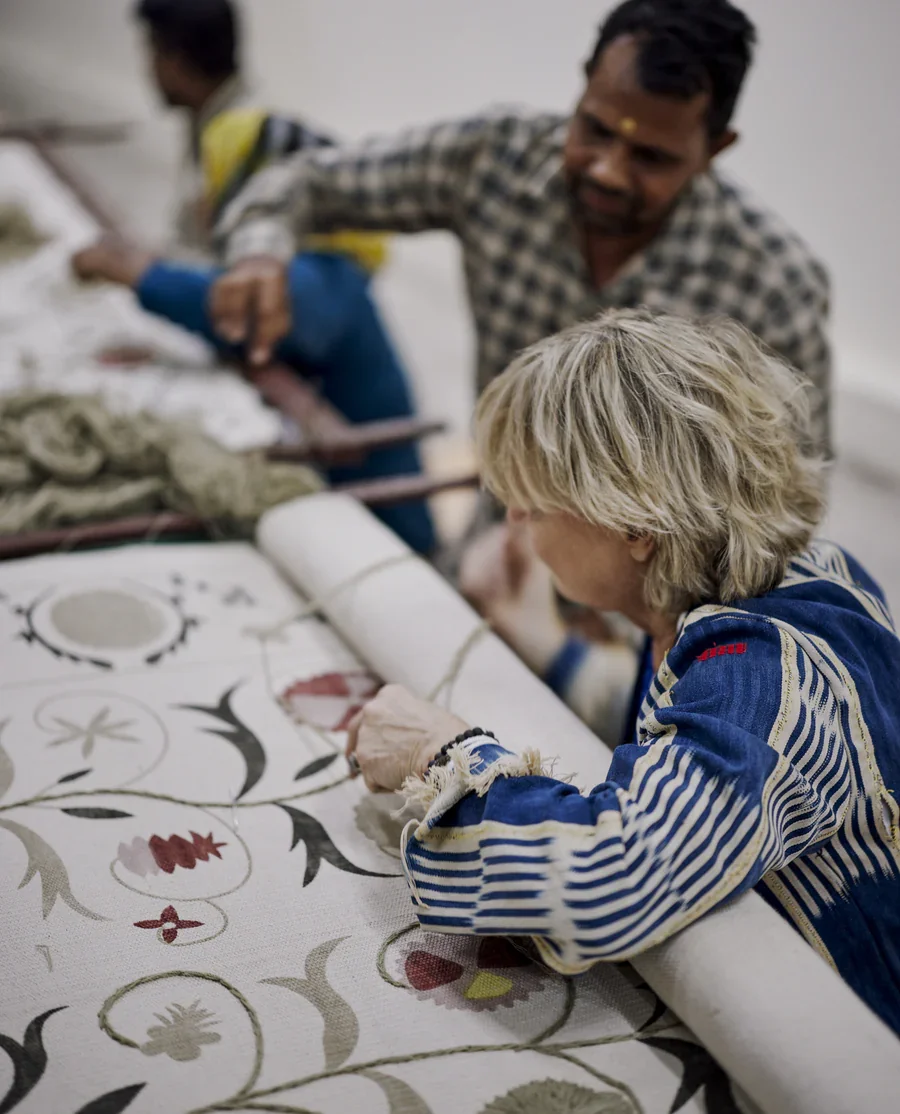
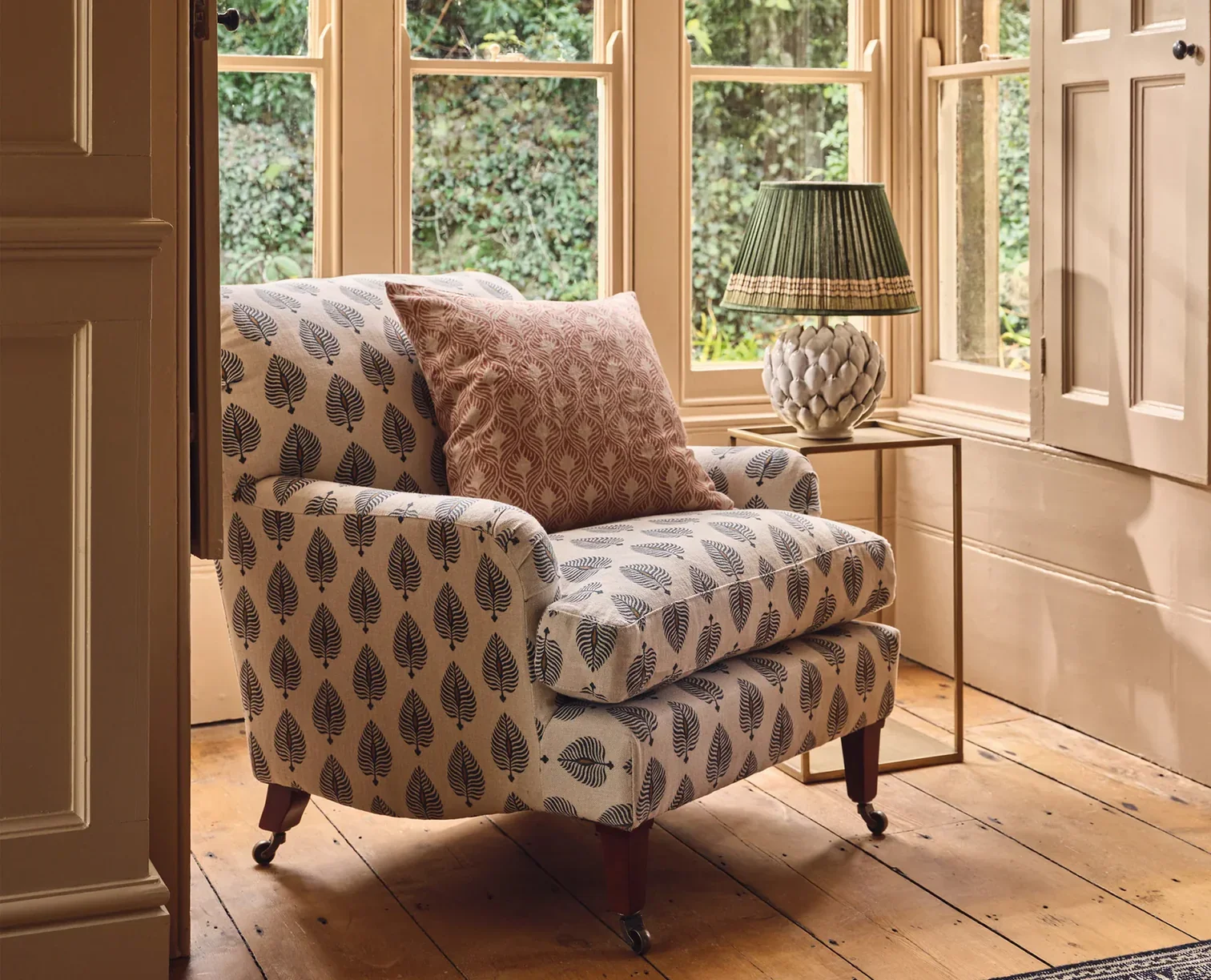

Image credits: Images courtesy of OKA
A more explicit approach to sustainability storytelling can be seen in how E.L.V. Denim communicates its brand purpose. Through its recent crowdfunding campaign, founder Anna Foster shares how the brand was created to challenge traditional denim production by using materials destined for landfill, while also rethinking fit through jeans designed to evolve with the wearer’s body. This positions sustainability not only as an environmental choice, but as a driver of product innovation.
By combining these values with evidence of commercial traction, the campaign demonstrates how purpose-led storytelling can support business growth. As Foster notes, the brand’s growth has been shaped by a community that shares its values, making crowdfunding a natural next step. In this way, E.L.V. Denim clearly articulates both its impact and its ambition, showing how sustainability can be used to engage customers, build loyalty and attract investment.
Together, these examples highlight that effective sustainability communication does not follow a single approach. Whether conveyed implicitly through product stories or explicitly through purpose-led messaging, what matters most is clarity, consistency and credibility. Brands that can make their impact tangible and meaningful to customers are best positioned to build trust and stand out in an increasingly values-driven market. This is where sustainability storytelling becomes a powerful tool.
Sustainability Storytelling as a Brand-Building Tool
Sustainability storytelling is one of the most effective ways for SMEs to translate their impact into something tangible and meaningful for customers. By making materials, sourcing decisions and product design choices more visible, brands can communicate sustainability in a way that feels clear, credible and easy to engage with.
A simple way to think about sustainability storytelling is through four key elements:
What you make
How you make it
Who is involved
What you are improving
In practice, this might include sharing the story behind materials, highlighting responsible supplier partnerships, explaining how products are designed for longevity or repair, or being transparent about areas where improvements are still needed. Communicating progress clearly, while also acknowledging challenges, demonstrates honesty and builds trust.
In an increasingly digital retail environment, where customers may not physically experience products before purchasing, sustainability storytelling also acts as an important trust signal. A brand’s website therefore becomes a central platform for communication, where sustainability narratives can be woven throughout product pages, blog posts, social media and dedicated sustainability sections. Impact reports are also an increasingly valuable tool for providing a clear overview of a brand’s commitments and progress, further integrating sustainability into brand identity.
For example, furniture and interiors brand Coach House, recently published their first Impact Report, sharing a consolidated view on its commitments and actions. As a family-owned business, sustainability has long been part of its values, but the report marks a step towards communicating these efforts more formally and transparently. By blending its heritage with an honest account of progress and ongoing challenges, the report helps build stakeholder trust and reinforces its commitment to continuous improvement.


Image credits: Images courtesy of Coach House
Where to Communicate Sustainability (Not Just Your Sustainability Page)
One of the most common mistakes businesses make is keeping sustainability hidden on a single page of their website. The most effective brands weave sustainability throughout their communications, rather than treating it as a standalone topic. This might include:
Product pages (materials, origin, care and lifespan)
Packaging (materials, recyclability and messaging)
Social media (supplier stories, behind the scenes, progress updates)
Email marketing (new initiatives, partnerships, improvements)
Impact reports (annual progress and commitments)
Founder stories and brand values pages
This integrated approach helps customers understand that sustainability is part of how the business operates, not just a standalone initiative.
A useful question to ask is this: if a new customer visited your website today, would they understand your sustainability story in five minutes? If not, sustainability communications may be one of your biggest untapped opportunities.
Case Study: The FairGround
The FairGround, an online marketplace for sustainable shopping, is another great example of sustainability communications strengthening brand value and building long-term trust. The FairGround curates a selection of values-led brands committed to producing products with lower social and environmental impact. Its purpose is to make it easier for consumers to shop more responsibly, reducing the cognitive load of sustainable shopping through curation and clear communication. As founder Ginnie, describes:
”I will never say give up shopping. However, I do believe we all have a responsibility to shop with greater integrity. The FairGround proves it's cool to be kind, and it's much more stylish to buy from brands that operate with clear values.”
To be featured on the platform, brands must first complete a rigorous sustainability onboarding process, where key areas across environmental impact, supply chain transparency, material choices and social impact commitments are reviewed. By applying a consistent set of criteria across all brands, the platform helps translate complex sustainability practices into clearer signals that consumers can understand and trust.
Independent verification also plays an important role in this process. B•ABLE supports The FairGround as their third-party assessor, helping onboard brands through a structured and impartial assessment. For smaller brands in particular, this kind of external validation can be powerful. It strengthens credibility and gives businesses clearer language and evidence to communicate their sustainability efforts with confidence.
Beyond assessment, The FairGround also demonstrates the power of community in sustainability communications. By bringing together a collective of values-led small businesses, the platform gives individual brands greater visibility than they might achieve alone. Through its strong social media presence and clear voice, The FairGround actively promotes and champions the brands on the platform, helping communicate their stories and values to a wider audience. For many SMEs, being part of a platform like this provides not only credibility, but also a shared communications platform and community that amplifies their impact.



Image credits: Images courtesy of The FairGround
Common Mistakes SMEs Make in Sustainability Communications
Many SMEs are already making positive progress but struggle with how to communicate them. Some of the most common challenges include:
Using vague terms like “eco-friendly” or “green” without clear explanation
Focusing only on materials and not on people or supply chains
Only communicating current actions and not long-term goals
Fear of greenwashing leading to under-communication
Waiting until everything is perfect before communicating
Customers are not expecting perfection, but they are expecting honesty, clarity and progress.
Practical Steps SMEs Can Take
Wondering where to start with building authentic sustainability communications that strengthen your brand? We recommend these five practical steps:
Define your key sustainability focus areas:
Sustainability communications are most effective when rooted in the issues that are most relevant to your business and where your impacts are greatest
Identify the meaningful actions already underway:
Many SMEs are already taking positive steps, whether through sourcing, packaging or community partnerships. These initiatives are often the most authentic place to begin
Build a transparent story around your progress:
Communicate honestly about what you are doing, the impact it is having, the challenges or setbacks you have faced, what you’ve learned and where you are heading next
Avoid vague or unsubstantiated claims:
Focus on specific initiatives and only make claims you can clearly evidence. It is also worth reviewing relevant greenwashing guidance, like the UK Green Claims Code, to ensure your communications remain accurate and credible
Embed sustainability into your brand storytelling:
Look for opportunities to weave sustainability through product launches, campaigns and brand messaging, especially where it genuinely reflects your values, materials, design choices or social impact.
Your Comms Partner
At B·ABLE we help SMEs bring sustainability to life through brand communications that are clear, credible, and rooted in your values.
Whether you need expert guidance or a reliable pair of hands to manage the heavy lifting of impact report writing, we tailor our support to suit your needs so you can focus on making real impact.
Get in touch for a conversation to explore how we can help you tell your sustainability story with clarity and confidence – hello@bable.world