
Five key themes from Decorex 2026
What does sustainability mean for the interiors industry? Conversations often focus on materials, waste and carbon emissions, but the picture is much broader. The products and spaces we create also influence people’s wellbeing, support livelihoods and shape the future of skills and communities. Understanding these connections helps make sustainability more relevant to the businesses producing our interiors and the people choosing them.
These connections were explored across 17 talks with 62 speakers at the Sustainability Space at Decorex 2026. Organised by B·ABLE and Jules Haines, founder of Haines Collection and co-founder of The Green Room, the programme brought together voices from across the industry for four days of discussions. From the materials we surround ourselves with to the preservation of traditional craftsmanship, the conversations considered what responsible business and design look like in practice today.
The appetite to learn was clear and so too was the importance of making a broad and sometimes overwhelming subject easier to understand. When sustainability is connected to familiar decisions, such as choosing a fabric, specifying lighting or working with a supplier, its relevance becomes much clearer. Across the programme, five key themes stood out that will shape the interiors industry in the years ahead.
1. Healthy homes: Understanding the materials we live with
The materials used in interiors are often chosen for their appearance, comfort, cost and durability. Yet understanding what a product contains, how it has been treated and how it will be used is also an important part of creating spaces that support wellbeing. Discussions at Decorex encouraged greater consideration of these questions and the information available to designers and customers when making choices on what to bring into our homes.
Edward Bulmer of Edward Bulmer Natural Paints, Delyth Fetherston-Dilke, sustainable furniture design consultant, and Mark Tremlett of Naturalmat explored concerns around chemicals used in everyday furnishings, particularly flame retardants, alongside the case for changes to UK furniture fire safety regulations. The discussion highlighted the complexity of balancing safety, material choices and health considerations, and the need for greater awareness of the substances used in the products we bring into our homes.
This connected with a wider conversation about natural materials, moderated by Emma Tweedie from Campaign for Wool, with Nasia de la Haye of Lorfords, Emma Linney-Taylor of Harrison Spinks and Kerryn Harper-Cuss, interiors editor and brand consultant. The panel explored the properties of natural fibres and the importance of considering how materials perform, age and wear over time. Rohan Blacker, founder of Sofa.com and Pooky, also shared his perspective on a different approach to furniture manufacturing with his new business Schplendid. Schplendid combines natural materials and traditional making techniques to create exceptionally comfortable sofas at accessible prices.
These conversations all pointed towards the need for more informed specification and purchasing. Material choices involve different considerations, and customers need clear information to understand them. By explaining composition, finishes, treatments, care and expected longevity, brands and designers can help consumers choose products suited to their needs while encouraging a more thoughtful relationship with the things they buy.
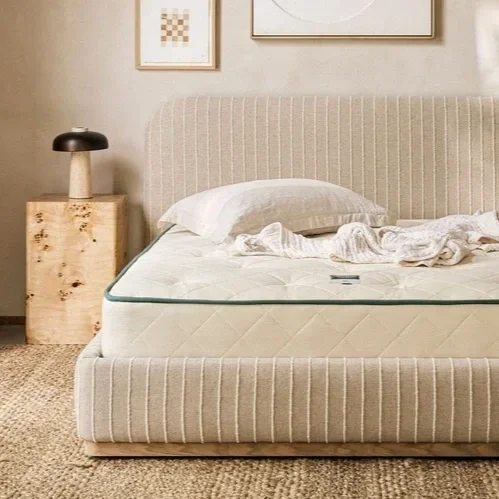
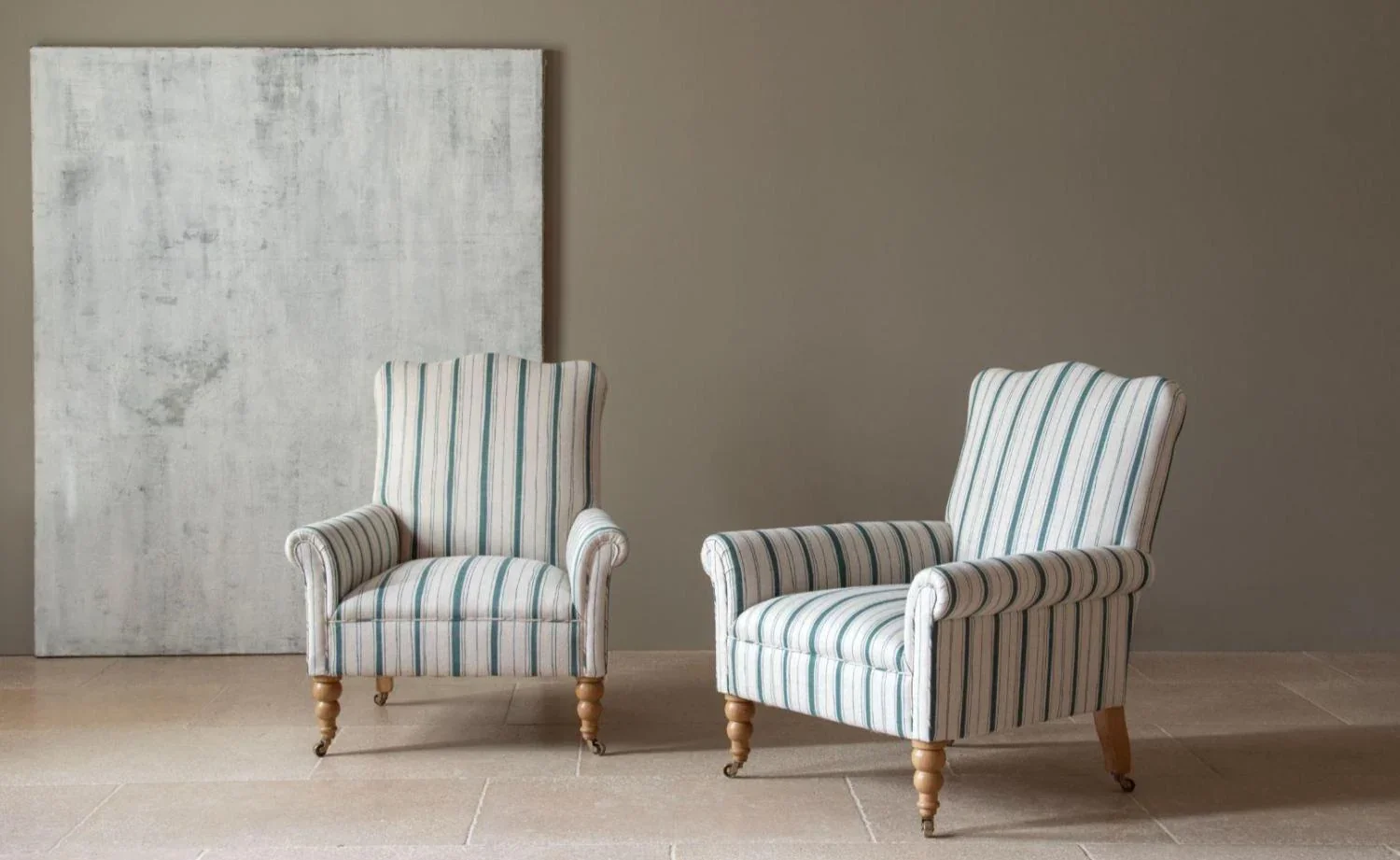
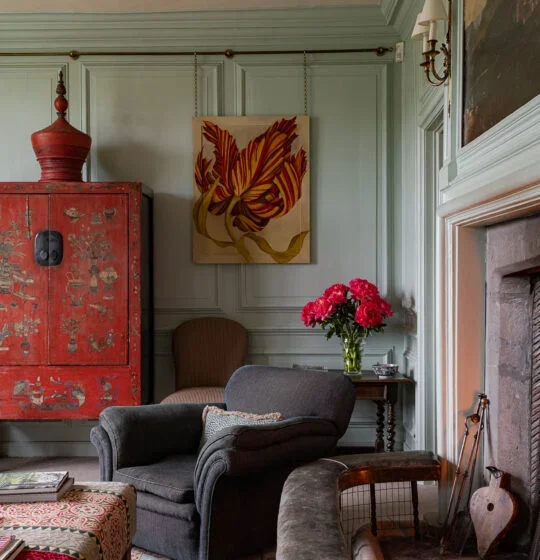
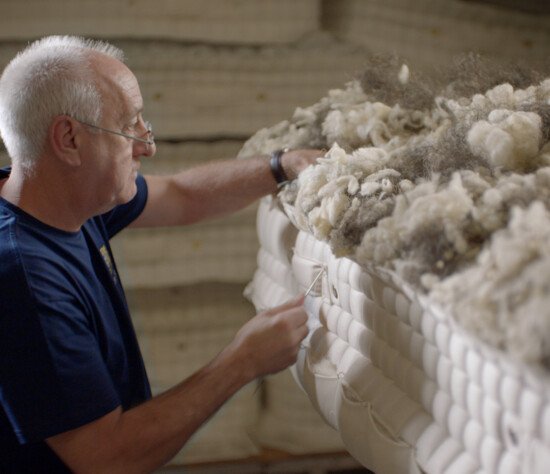
Image credits: 1. Naturalmat, 2.Lorfords, 3. Edward Bulmer Natural Paint, 4. Harrison Spinks
2. Family businesses: Taking a long-term view
While the healthy homes discussions explored the choices behind individual products, the family business panel considered the values behind business decisions. Emily Mould of Romo, Claudia Bovingdon of Coach House and Milly Hibbert of Thyme discussed how family ownership can influence relationships, priorities and investment, particularly when decisions are made with future generations in mind.
Looking after employees, maintaining trusted supplier relationships and protecting a business’s reputation were central to the conversation. Many of these practices were already part of how the businesses operated, rather than initiatives introduced under a sustainability programme. This offered a useful reminder that responsible business practices can develop through years of experience, shared values and a strong connection to people and place.
Recognising this existing work can be an important starting point for a sustainability strategy. Understanding what a business already does well creates a foundation for identifying gaps, setting priorities and agreeing where further progress is needed. It can also help teams see how sustainability relates to their own work, making it easier to build ownership across the organisation.
There is a valuable communication opportunity here too. Businesses can overlook the significance of practices that have become second nature to them. Long-standing supplier relationships, investment in employee development or a commitment to passing on specialist knowledge may all help customers understand the business behind a product. Bringing these stories forward, with specific examples, gives greater visibility to the values that shape everyday decisions.
3. Lighting and wellbeing: Designing around people’s needs
The focus on people continued through a discussion about lighting and its role in shaping how a space feels and functions. Lighting is an essential part of interior design, but its relationship with wellbeing brings additional considerations to decisions about fittings, placement, brightness and control.
Lighting and interiors designers Zara Vaux, Lauren Livramento of Matthews Rae, and Gail Race explored the relationship between lighting, circadian rhythms, sleep, mood and performance. The conversation considered how lighting needs change throughout the day, as well as the different ways people experience their surroundings. This included discussion of sensory sensitivities and the importance of understanding the needs of neurodivergent people when designing spaces.
These perspectives encouraged a more considered approach to the environments being created. A scheme that works well for one person or activity may be less suitable for another, making flexibility and an understanding of how a space will be used particularly valuable. Bringing these questions into the design process early creates an opportunity to consider wellbeing alongside aesthetics, functionality and energy use.
The wider lesson extends beyond lighting. Interiors influence people’s daily experiences, and good design begins with understanding those experiences. Asking who will use a space, what they need from it and how those needs may vary can lead to more thoughtful and inclusive decisions.
4. Craftsmanship: Protecting the skills behind the product
Alongside the experience of those using interiors, the programme explored the people and skills involved in making them. Craftsmanship brought together questions around quality, cultural heritage and livelihoods, highlighting the relationships that sit behind finished products.
In collaboration with Walpole, our panel on Why Local Matters brought together perspectives from Vaughan, Birdie Fortescue, Another Country and Sanderson Design Group. The discussion explored the importance of supporting British manufacturing and investing in the skills that sustain it. Preserving creative heritage depends on opportunities for people to learn, practise and pass on their expertise, as well as demand for the products those skills help create.
An international discussion with Claire Fouché of Volga Linen, Bella Valenzia of Pelican House and Dr Thalia Kennedy of Turquoise Mountain explored related themes through their work with artisans. Their contributions highlighted the connections between traditional techniques, cultural identity and livelihoods, and the role that relationships with designers and brands can play in supporting their continuation.
Across both conversations, the value of craftsmanship extended beyond the finished object. Each product can represent years of knowledge, training and experience, yet much of this remains invisible to the customer. Explaining who made a piece, how it was produced and the expertise involved helps communicate that value. It also creates a stronger connection between the person buying a product and the people whose work made it possible.
For brands and designers, this makes storytelling an important part of supporting craft. Specific, well-informed accounts of makers and processes can help customers appreciate why a product has been made in a particular way, how to care for it and why it deserves to be kept.
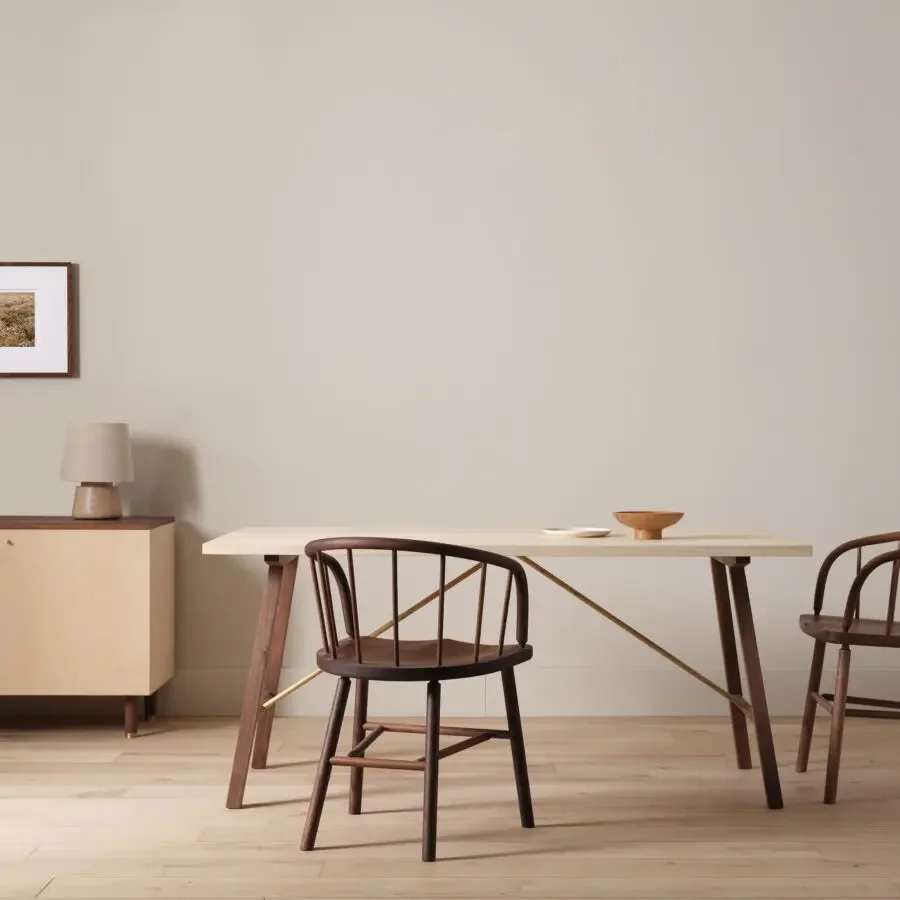
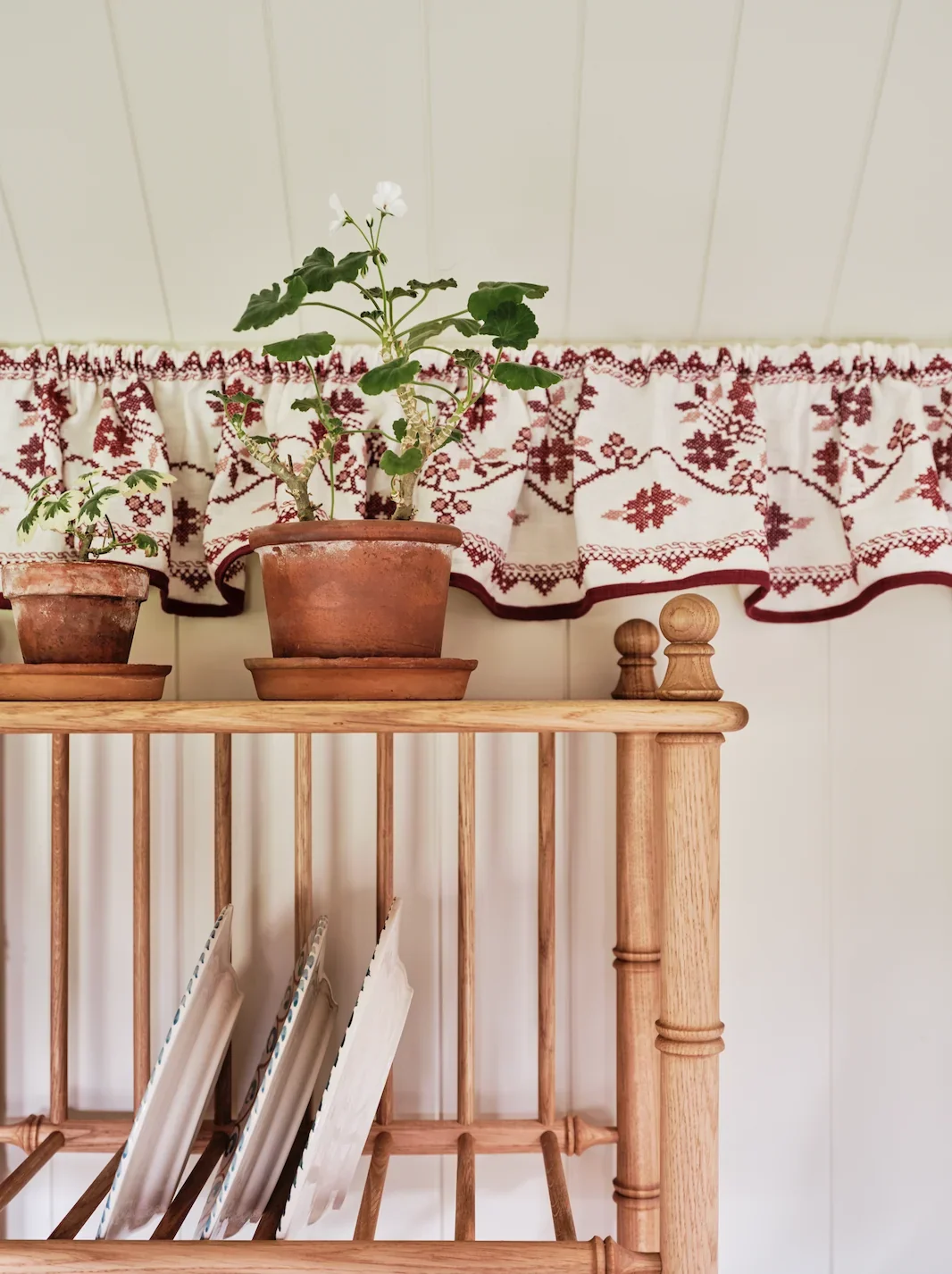
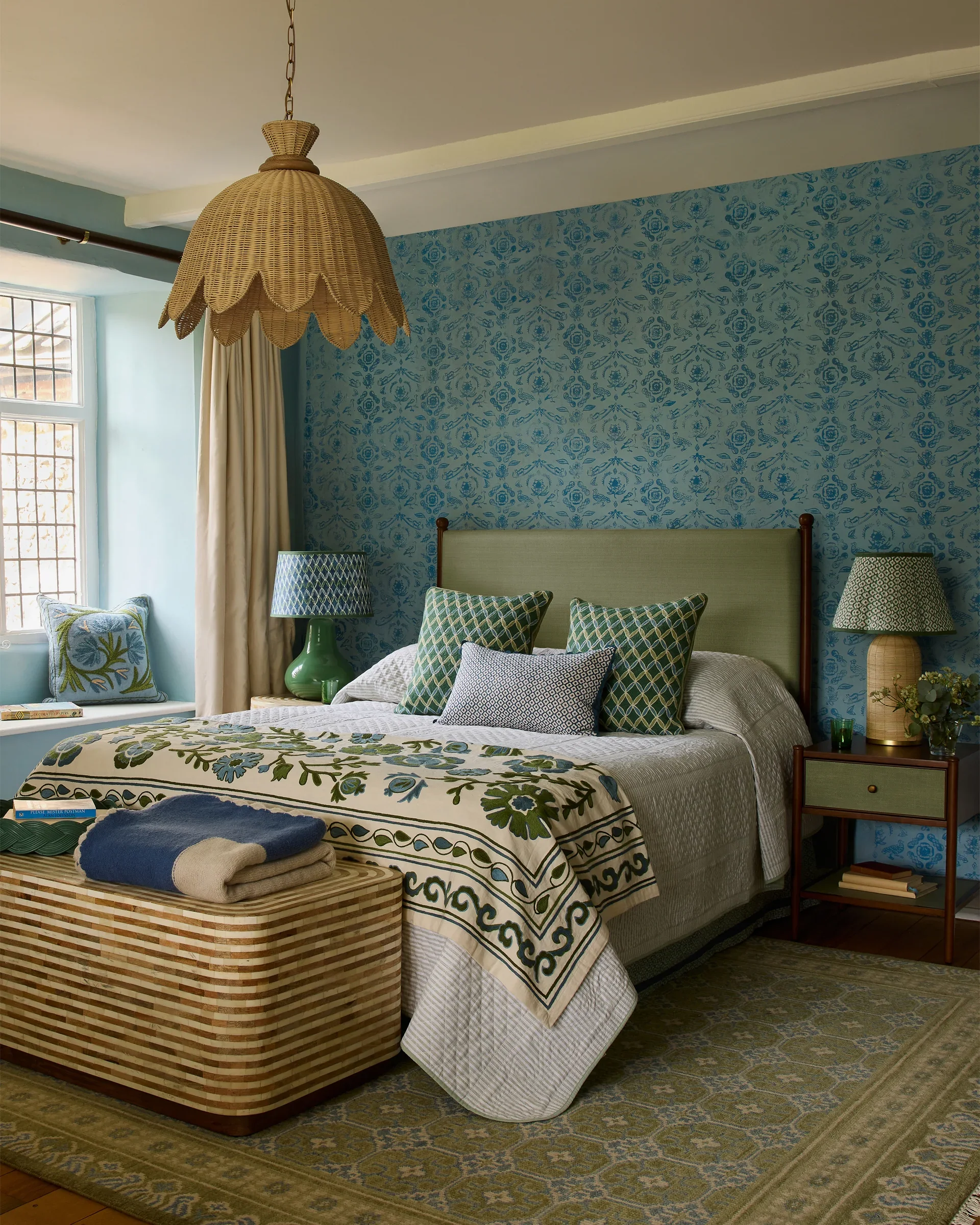
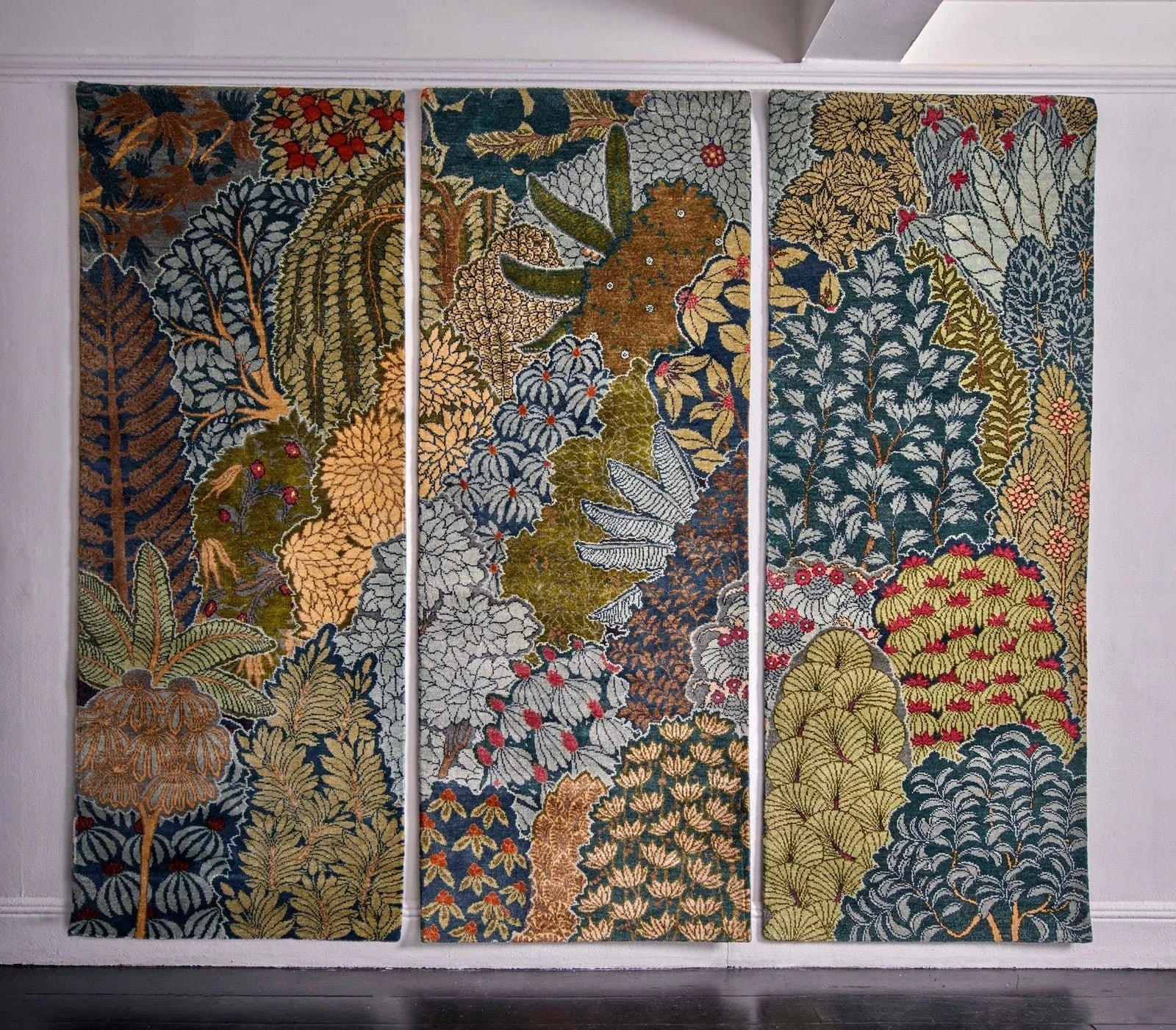
Image credits: 1. Another Country, 2.Volga Linen, 3. Birdie Fortescue, 4. Pelican House
5. Social impact: Connecting industry resources with community needs
The potential for interiors to support people and communities came into focus in a discussion moderated by Ginnie Chadwyck-Healey, with Pinky Laing of Remnant Revolution, Emily Wheeler of Furnishing Futures and Alice Gates of Barnaby Gates. Their examples demonstrated how the industry’s materials, products and expertise can contribute to initiatives with a wider social purpose.
Furnishing Futures, Decorex’s charity partner, shared its work creating safe and welcoming homes for women and children escaping domestic abuse. This brought the conversation back to the significance of the home itself and the role that thoughtful interiors can play in helping people rebuild their lives. Remnant Revolution explored how surplus materials can be given a new purpose through sewing and creative projects, connecting waste reduction with opportunities to develop skills and bring people together.
These examples showed how environmental and social objectives can support one another. Remnant fabrics, surplus products and specialist knowledge all have potential value beyond their original purpose. Making use of that potential depends on understanding what community partners need and building relationships that connect those needs with the resources businesses can offer.
For the wider industry, this creates an opportunity to think more broadly about contribution. Alongside financial support, businesses may be able to offer products, materials, time or expertise. The most useful starting point is a practical conversation about where those resources can make a difference.
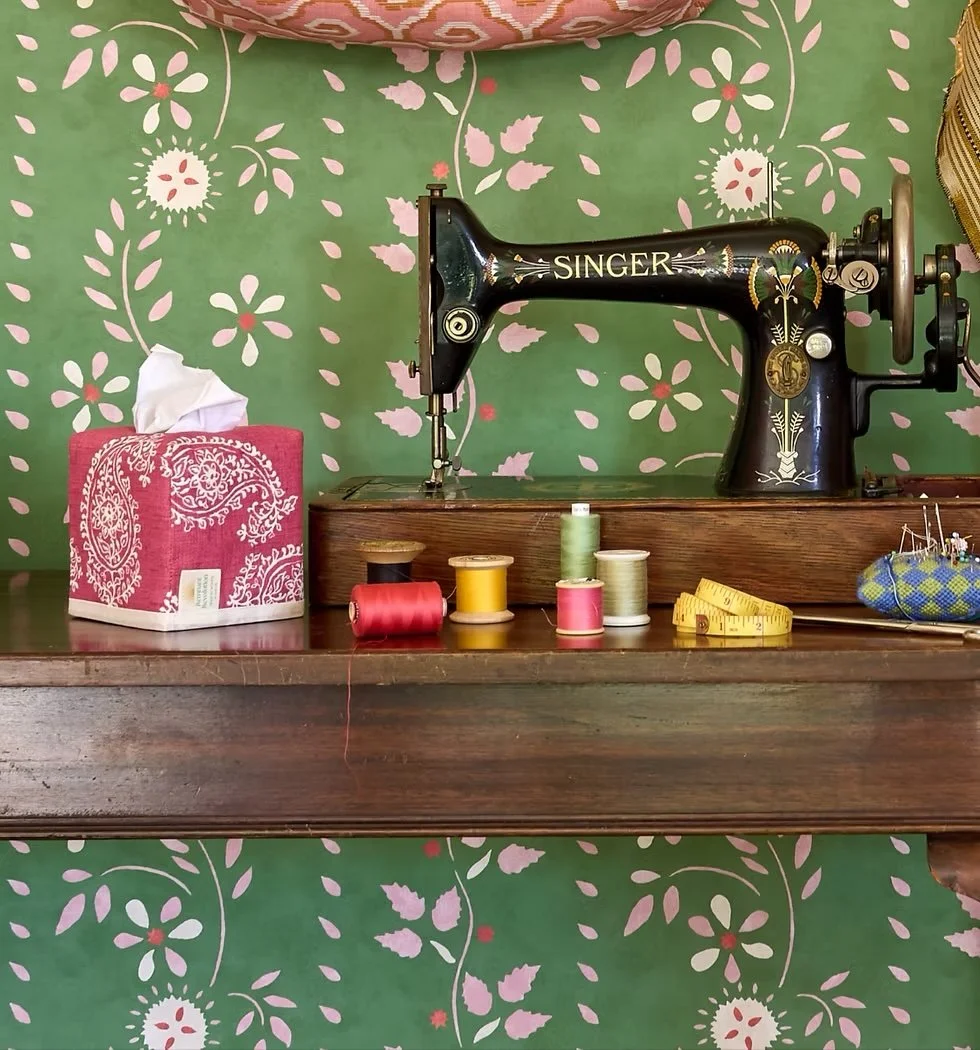
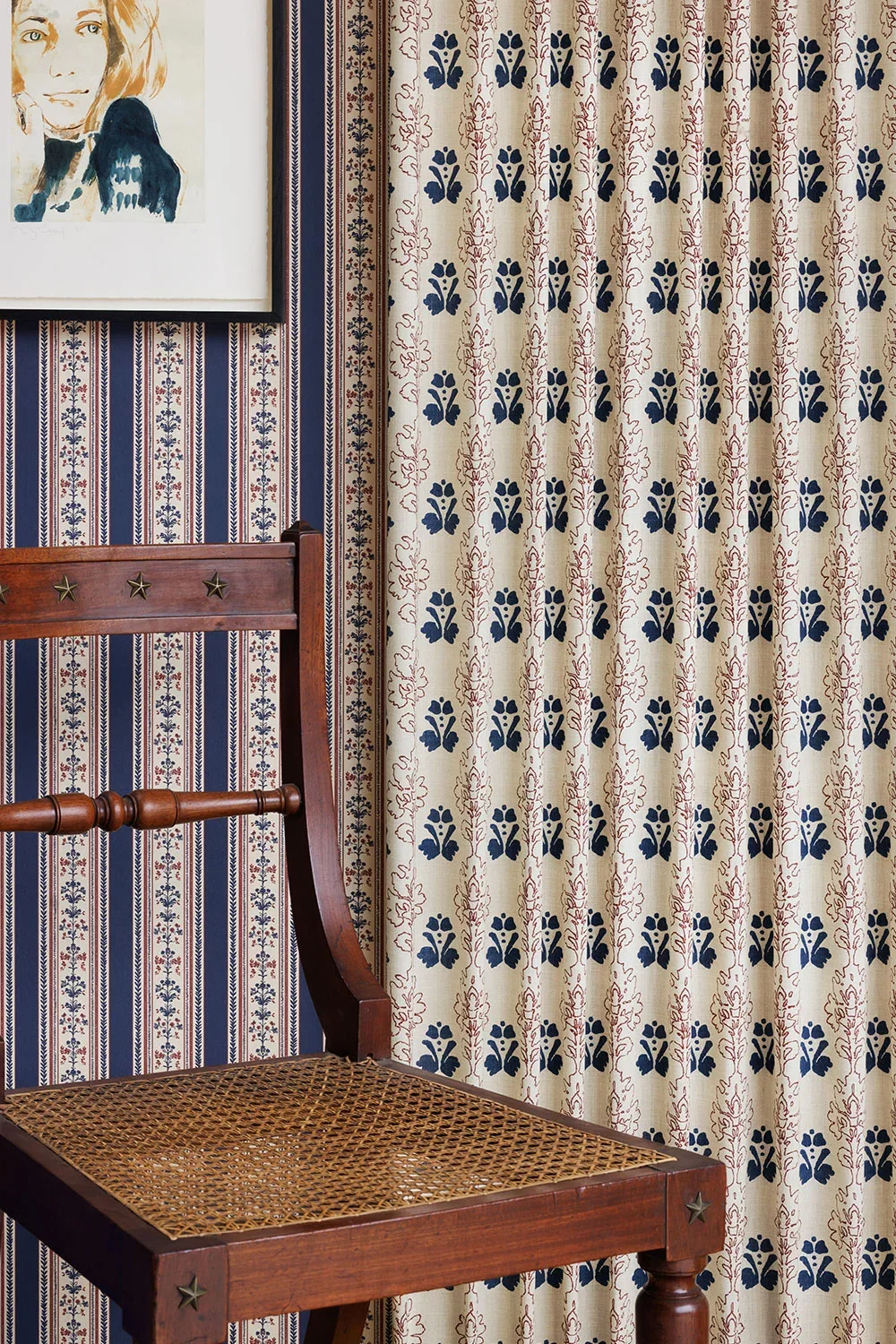
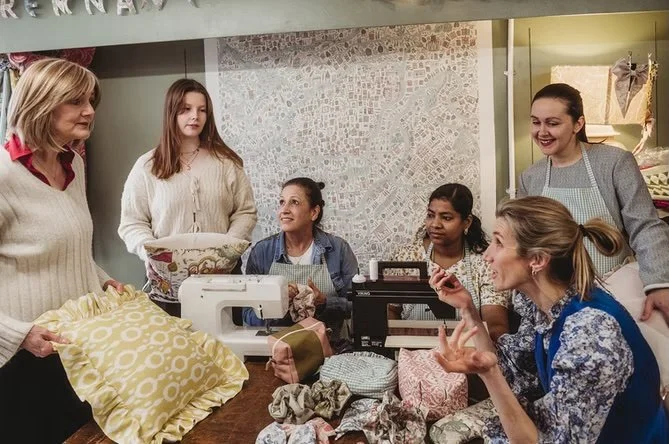
Image credits: 1. Furnishing Futures, 2. & 4. Remnant Revolution, 3. Barnaby Gates
Making sustainability clearer through better stories
Running through all five themes was the importance of communication. Many interiors businesses are already investing in their people, supporting makers, improving the impact of products and giving back to their communities. Yet customers may have little visibility of this work, particularly when businesses see it as an ordinary part of how they operate.
Sharing these stories can make sustainability easier to understand. A specific account of how a supplier relationship supports traditional skills, why a material was selected or how surplus stock is being used gives people something tangible to engage with. It also allows businesses to explain the reasoning behind their decisions and the progress they are working towards.
Credibility comes from being clear about the detail: what has been done, who is involved, what evidence supports it and where challenges remain. This approach helps customers understand the work behind a product while giving businesses space to communicate progress honestly.
The discussions at Decorex demonstrated how much there is to explore when sustainability is connected to the realities of designing, making and furnishing spaces. At B·ABLE, we work with interiors businesses to develop sustainability strategies and turn their ambitions into practical action. We also run The Green Room bringing over 80 brands from the interiors industry together to share experiences, learn from one another and make progress on sustainability. To find out more get in touch – hello@bable.world.