
Social Impact Done Well: Brands Creating Real Value
As climate risks and social inequalities become more visible, expectations of business are shifting. A company’s ability to create meaningful social impact is increasingly seen as a marker of purpose, credibility and long-term value. It shapes brand perception, builds trust and strengthens resilience.
This blog explores how brands can embed social impact into products, partnerships and operations, and why this is critical to delivering both commercial and social value.
From bolt-on initiatives to embedded impact
Social impact has become a familiar business term, but too often it is treated as a bolt-on: a one-off charitable donation, a seasonal campaign or short-term community project. While these initiatives can create positive outcomes, they are often limited in scope and impact. They tend to deliver short-term benefits rather than addressing underlying social or environmental challenges, and they rarely change how a business fundamentally operates.
Social impact is most powerful when it is built into how a business designs products, forms partnerships and runs day-to-day operations. At its core, it is the lasting, measurable difference a company creates in the communities and systems it influences. It reflects a recognition that the health of business depends on the health of society, and that sustainable progress requires alignment between commercial activity with social and environmental outcomes.
In today’s context, social impact is central to a business’ reputation, resilience and relevance. Customers increasingly expect brands to demonstrate responsible practices, employees are looking for purposeful work, and investors are more focused on long-term value creation and risk management.
Organisations that embed social value into strategy are better placed to innovate, build trust and adapt to change. The return is tangible: stronger partnerships, more resilient business models and brand credibility grounded in real-world outcomes rather than marketing claims.
Building social impact into business models
The most effective approaches focus on social challenges that intersect directly with a brand’s products, materials or expertise. Impact feels most authentic when it aligns with a brand’s purpose and is reinforced through culture and operations.
As interest in social impact grows, so too does the ecosystem of organisations whose business models are built purely around creating positive social outcomes. In the UK, a growing number of social enterprises and charities are working across sectors such as housing, textiles, skills training and criminal justice. For brands, partnering with these organisations that align with their ethos or sector offers a practical way to embed social value into products and services, while benefiting from specialist expertise and community relationships.
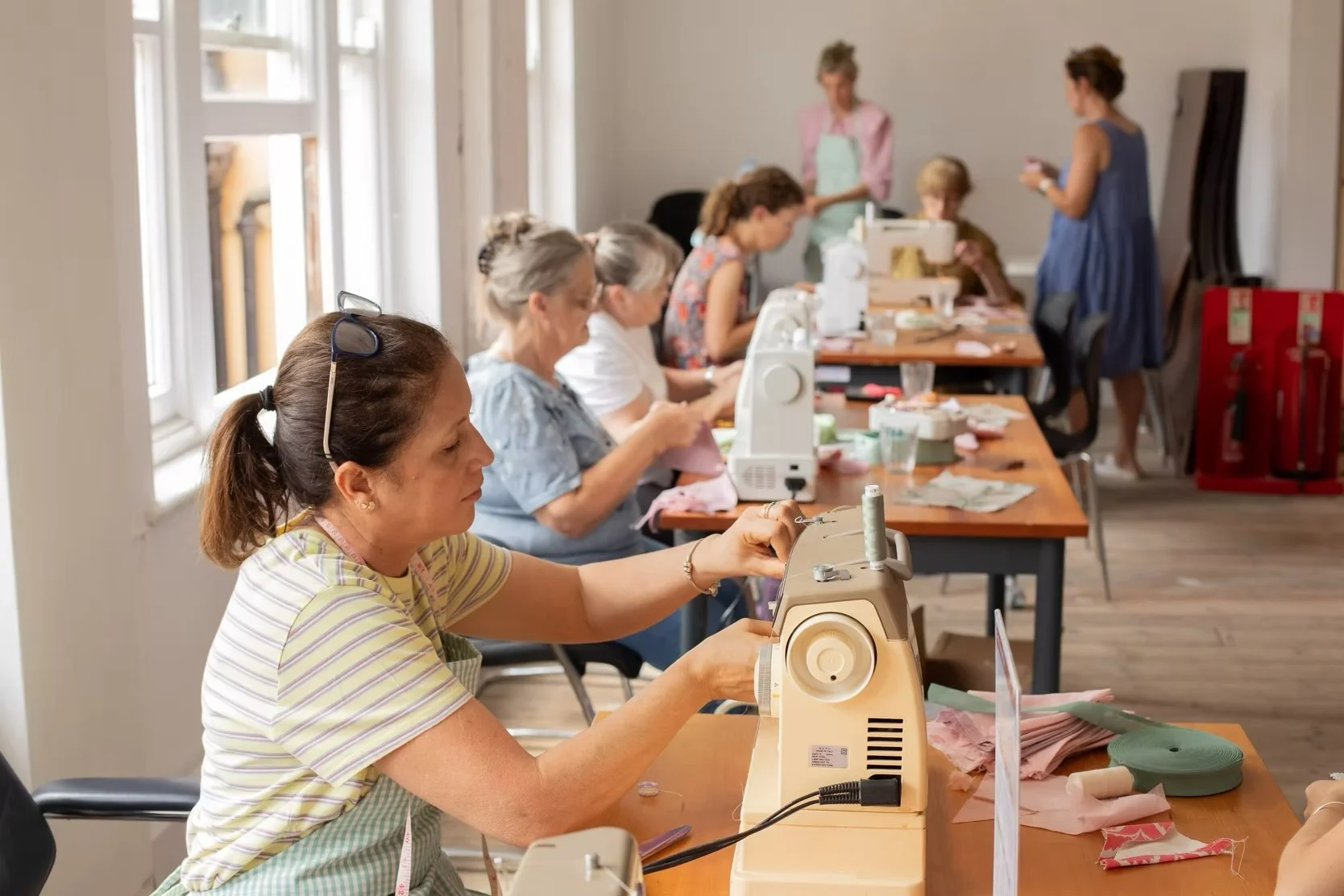
For example, Remnant Revolution partners with textile brands to rescue surplus and end-of-line fabrics that would otherwise go to landfill. These materials are placed in the hands of a growing network of local seamstresses and crafters, who transform them into thoughtfully designed, handcrafted products. By combining circular design with community enterprise, the initiative creates meaningful local employment and strengthens women-led communities, turning textile waste into income, skills and opportunity while offering brands a responsible outlet for excess fabric. As Founder Pinky Laing explains:
“When brands partner with Remnant Revolution, they are not just addressing the surplus fabrics they have, they are transforming these fabrics into visible, meaningful impact. It is about turning waste into value, skills into opportunity, and sustainability into something people can see, feel and be proud to support.”
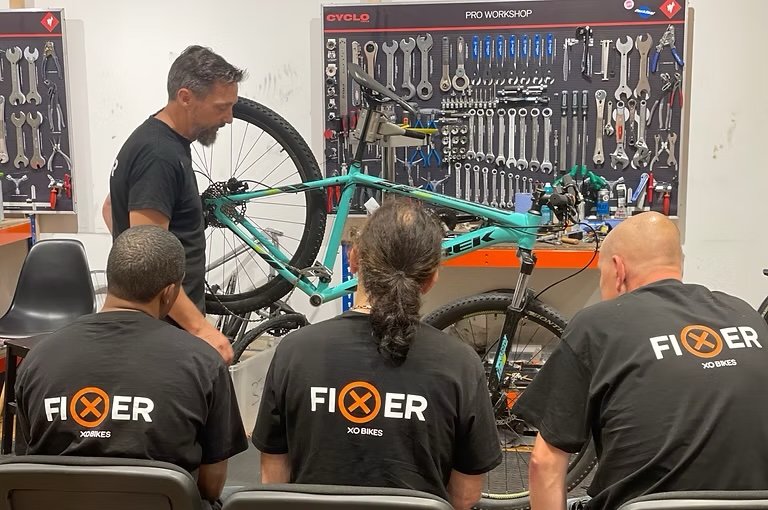
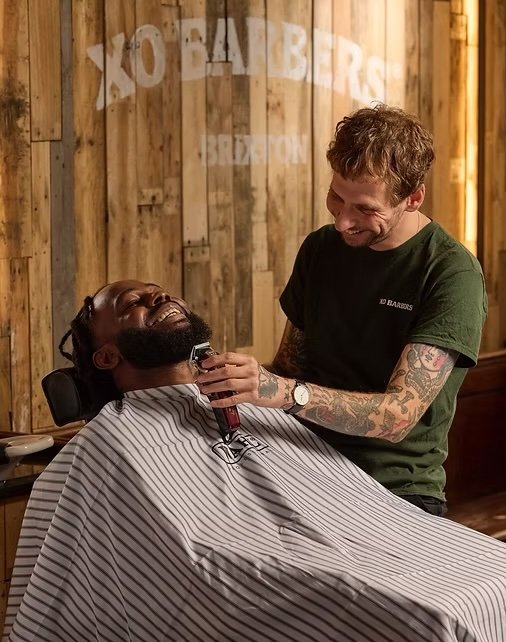
Other models focus on employment barriers. Fine Cell Work, XO Bikes and XO Barbers were all established to address the challenges people face when leaving prison, particularly in accessing stable employment. Each programme provides high-quality, paid training in craft, bike mechanics or barbering, building practical skills, confidence and savings to support reintegration into society. These ventures aim to reduce reoffending, challenge employer perceptions of prison leavers, and create commercially viable products and services with a social purpose embedded into the business model. Stef Jones, Founder of Onwards and Upwards, the charity behind XO Bikes and Barbers, describes their approach:
“A significant driver of reoffending is business, specifically its reluctance to employ ex-offenders. We shift employer attitudes and behaviour around hiring ex-offenders, by creating small, beautiful and loud businesses which prove that hiring XO’s (ex-offenders) makes sense.”
Partnership plays a critical role in scaling this impact. Through collaborations with designers, institutions and organisations committed to high-quality production and textile reuse, Fine Cell Work has demonstrated that social enterprise can operate at the highest commercial and cultural levels, while delivering meaningful impact for service users. As Katy Emck, Founding Director of Fine Cell Work notes:
“Partnerships have got us everywhere. It’s a win-win for everyone.”

The business case for embedded social impact
When brands align with organisations delivering circularity (such as refurbishment, reuse or recycling) or skills-based models, they can create value that goes beyond reputation alone. Partnerships anchored in product lifecycles, waste streams or service delivery enable credible action on circularity, inclusion and community impact. These collaborations can deliver tangible brand benefits, as Katy explains:
“Fine Cell Work gains prestige and discerning customers from working with top people and institutions. Our partners attract attention from having such an interesting story to tell.”
This combination of credibility, differentiation and purpose allows brands to stand out in crowded markets while avoiding vague or abstract sustainability claims. Pinky from Remnant Revolution reinforces why this matters now, and how embedded social impact can become a marker of long-term responsibility rather than short-term gain.
“Customers, employees and investors are demanding transparency, accountability and genuine purpose from the brands they support.”
By working with specialist partners, businesses move from intention to implementation, linking circularity, inclusion and community impact in ways that are measurable and meaningful. In doing so, they build brand equity rooted in real-world change. These collaborations deliver “real impact on lives”, helping people move from exclusion into the dignity of meaningful work. As Katy reflects,
“A genuinely effective partnership is one of mutual benefit and mutual celebration where each partner gains inspiration and support from the collaboration.”
BrinGing impact to life
These initiatives also give customers something tangible to engage with, rather than asking them to trust abstract commitments. A refurbished bike, a garment made from rescued fabric, or furniture that furnished a refuge creates a visible link between purchase and positive change.
Clear narratives and transparent reporting turn impact into something people can understand and feel part of. Mechanisms such as take-back schemes, repair services or donation programmes create ongoing touchpoints with the brand. Over time, this builds loyalty and community, while reducing scepticism around generic sustainability claims.
How to embed social impact into your strategy
Start by clarifying what your brand stands for and where you have influence. Focus on issues directly linked to your industry, products or services to ensure relevance and credibility.
Assess your product lifecycle, services and waste streams. Where are there opportunities to address a social challenge? Could your expertise support underrepresented or vulnerable groups? Partner with specialist charities or social enterprises to access knowledge, credibility and community networks.
Keep communication simple and outcome-led. Focus on what changed and who benefited. Measure results to understand real impact, and involve employees and customers to embed impact internally and externally.
Next steps
At B·ABLE, we help businesses embed social impact into products, partnerships and operations in ways that are strategic, measurable and commercially robust.
From identifying the issues most relevant to your brand, to designing initiatives that engage employees and customers, we provide practical support to make impact part of your core strategy.
If you would like to explore how your business can create meaningful social value while strengthening trust and long-term resilience, get in touch at hello@bable.world.